
Making white Sauce Pasta at home can feel simple on the surface, yet many people struggle with the texture and balance of the sauce. Sometimes it turns too thick, sometimes watery, and often the flavour feels flat. When you understand the purpose of each ingredient and the correct order of cooking, this dish becomes reliable and easy to repeat. In this guide, you’ll learn how the sauce works, how to choose ingredients wisely, and how to cook creamy pasta step by step with consistent results.
This article is written for home cooks who want clarity, not guesswork. You’ll find measured ingredients, structured steps, and practical tips that help you get smooth, well-coated pasta every time.
White Sauce Pasta: What It Is
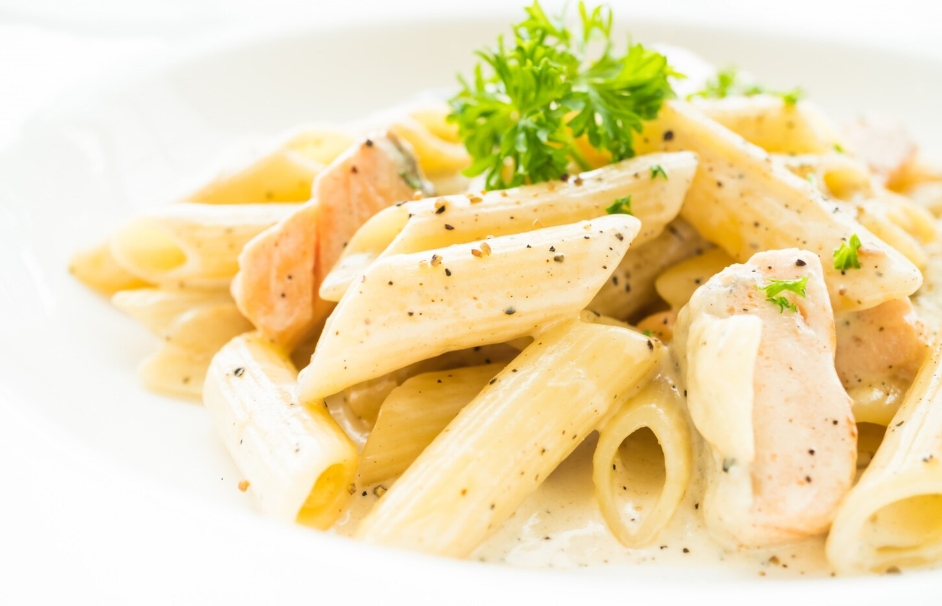
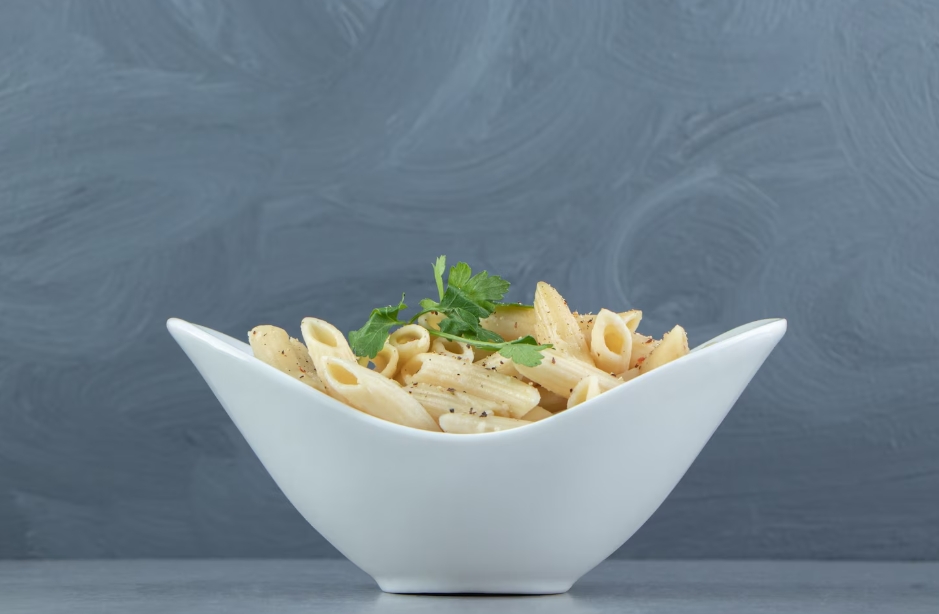
White sauce pasta is a dish where boiled pasta is combined with a creamy sauce prepared using butter, flour, and milk. This sauce is widely known as béchamel sauce. Cheese, herbs, vegetables, and sometimes protein are added to give the dish body and flavour.
The key to good pasta in white sauce is balance. The sauce should coat the pasta evenly without feeling heavy. When done right, each bite feels creamy, not oily or sticky. This method is widely used in Italian-style pasta dishes and is adapted in home kitchens across the world.
White Sauce Pasta Ingredients
- Pasta (penne, fusilli, or macaroni) – 200 grams
- Water – 1.5 to 2 litres
- Salt – 1 teaspoon
- Butter – 2 tablespoons
- All-purpose flour – 2 tablespoons
- Milk (warm) – 2 cups (500 ml)
- Garlic (finely chopped) – 1 teaspoon
- Black pepper – ½ teaspoon
- Salt – ½ teaspoon (adjust to taste)
- Mixed herbs (oregano, basil) – 1 teaspoon
- Cheese (grated mozzarella or processed cheese) – ½ cup
- Onion (finely chopped) – 2 tablespoons
- Capsicum (bell pepper, sliced) – ¼ cup
- Sweet corn – ¼ cup
- Mushrooms (sliced) – ¼ cup
- Broccoli (small florets) – ¼ cup
- Red chilli flakes – ½ teaspoon
- Olive oil – 1 teaspoon
- Fresh coriander or parsley – 1 tablespoon (for garnish)
These ingredients create a balanced creamy pasta that suits both light meals and filling portions.
Step-by-Step Cooking Instructions
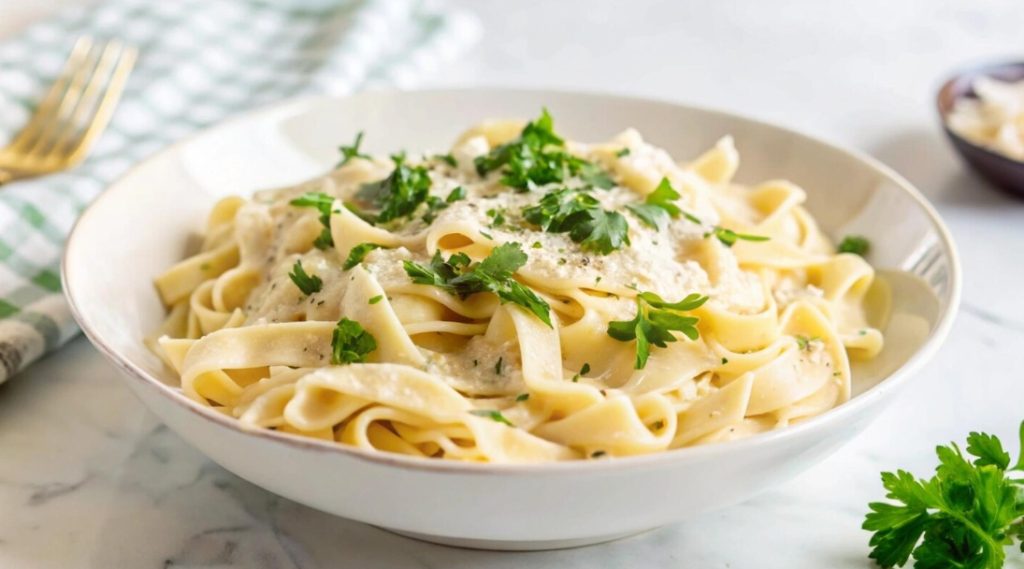
This section walks you through the complete cooking process in a clear, practical order. By following each step carefully, you can prepare smooth sauce and well-coated pasta without common texture mistakes.
1. Boil the Pasta Properly
Take a large pot and bring 1.5 to 2 litres of water to a full boil. Add 1 teaspoon salt to the water. Add 200 grams pasta and cook according to packet instructions until just firm. Drain the pasta and keep 2–3 tablespoons of pasta water aside.
2. Prepare the Vegetables
Heat 1 teaspoon olive oil or butter in a pan. Add chopped onion and cook until soft. Add capsicum, mushrooms, broccoli, and corn. Cook for 3–4 minutes until vegetables are tender but not soggy. Keep the vegetables aside.
3. Make the White Sauce
In the same pan, melt 2 tablespoons butter on low heat. Add 2 tablespoons flour and stir continuously for 1 minute. Slowly pour in 2 cups warm milk, stirring all the time. Keep stirring until the sauce thickens. Add garlic, salt, black pepper, and herbs. Add grated cheese and mix until the sauce turns smooth.
4. Combine Pasta and Sauce
Add boiled pasta to the sauce. Add cooked vegetables. Mix gently until everything is evenly coated. If the sauce feels thick, add a little reserved pasta water to adjust the consistency.
This method helps the creamy pasta maintain a smooth texture and prevents clumping.
Texture, Taste, and Common Cooking Errors
Many home cooks face the same issues while making white Sauce Pasta. The sauce may turn grainy if the heat is too high or if cheese is added too quickly. A watery sauce usually means the flour was undercooked or the sauce was not given enough time to thicken.
Cooking on low heat and adding milk slowly solves most texture problems. Stirring regularly prevents lumps and helps the béchamel sauce stay even.
The Science Behind a Smooth White Sauce
The white sauce begins with a roux. Butter and flour are cooked together so the flour absorbs fat. When milk is added slowly, the starch in flour thickens the liquid. This is what creates a creamy structure.
Three common problems affect the sauce:
- Lumps form when milk is added too quickly.
- Grainy texture happens when cheese is added on high heat.
- Watery sauce occurs when vegetables release moisture directly into the sauce.
Keeping the heat low and stirring steadily solves most of these issues. This knowledge applies not only to pasta but also to creamy soups and baked dishes.
Ingredient Choices That Change the Result
Pasta shape affects how sauce clings. Penne and fusilli hold sauce inside ridges, while flat pasta gives an even coating. Whole wheat pasta absorbs more liquid, so sauces may need slight thinning.
Cheese affects thickness and salt level. Mozzarella melts smoothly, cheddar adds sharper flavour. Freshly grated cheese blends better than packaged cheese. Vegetables add fibre and texture to a vegetarian pasta recipe, while chicken or paneer increases satiety. These additions should be cooked separately to avoid thinning the sauce.
Serving Ideas and Meal Pairings
This pasta works well as a main dish. You can pair it with:
- A simple vegetable salad
- Light soup
- Toasted garlic bread
Serve the dish fresh for the best taste and texture. Leftovers can be reheated gently with a small amount of milk.
Conclusion
White sauce pasta is a simple dish on paper, but its final taste and texture depend on small cooking choices. When you control the heat, follow the correct order of steps, and use measured ingredients, the sauce stays smooth and coats the pasta evenly. Understanding how the roux works, why milk should be added slowly, and how cheese reacts to heat helps you avoid common mistakes that lead to grainy or watery results.
With a clear method and thoughtful ingredient choices, this dish becomes easy to repeat at home without guesswork. Whether you prepare it for a quick meal or a shared dinner, the process stays reliable, and the result feels balanced, creamy, and satisfying every time.
Frequently Asked Questions (FAQs)
Q1. Can you make white sauce pasta without cheese?
Yes, the sauce can be made without cheese using butter, flour, and milk. Cheese mainly adds extra flavour and thickness, not structure.
Q2. Why does the white sauce stick to the pan?
This happens when heat is too high or the sauce is not stirred often. Low heat and regular stirring keep the sauce smooth and free-flowing.
Q3. How do you fix a sauce that becomes too thick?
Add warm milk or reserved pasta water little by little while stirring. This helps loosen the sauce without affecting the taste.
Q4. Can white sauce pasta be prepared in advance?
Yes, you can store it in the refrigerator for up to 24 hours. Reheat slowly with a small amount of milk to restore texture.
Q5. Which vegetables work best in white sauce pasta?
Mushrooms, broccoli, corn, and bell peppers work well in creamy sauces. They add texture without releasing too much water into the dish.