
If you love street food, nothing beats the taste of Pav bhaji recipe, a classic Indian dish that has won hearts all over the country. Originating in Mumbai, this dish pairs a rich, buttery vegetable curry called bhaji with soft, toasted pav (bread rolls). The combination of mashed vegetables, aromatic pav bhaji masala, and a generous touch of butter makes it irresistible.
Whether you want a quick weeknight meal or a flavorful street-style experience at home, this recipe guides you to create Mumbai pav bhaji that’s creamy, spicy, and utterly delicious. With the right ingredients and simple techniques, you can enjoy the iconic taste of Mumbai right from your kitchen.
What Is Pav Bhaji?
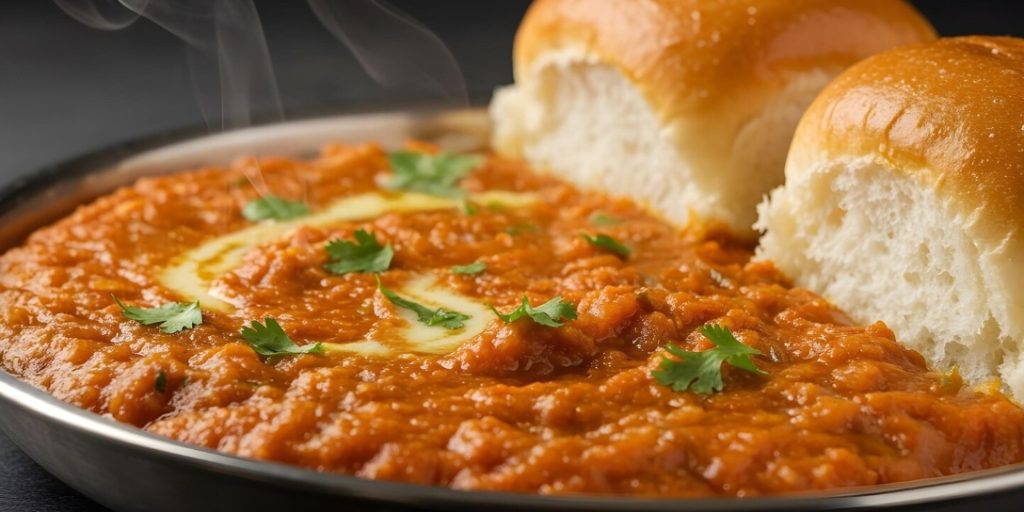
Pav bhaji is one of India’s most famous street foods. It was originally created as a hearty meal for Mumbai mill workers, combining mashed vegetables with spices and butter for energy and flavor. Today, it’s a beloved dish across India, served at street stalls, restaurants, and homes.
The dish consists of two main components:
- Bhaji – a mashed vegetable curry made with potatoes, cauliflower, peas, carrots, bell peppers, onions, tomatoes, and ginger-garlic paste, flavoured with pav bhaji masala.
- Pav – soft bread rolls toasted in butter, perfect for scooping up the bhaji.
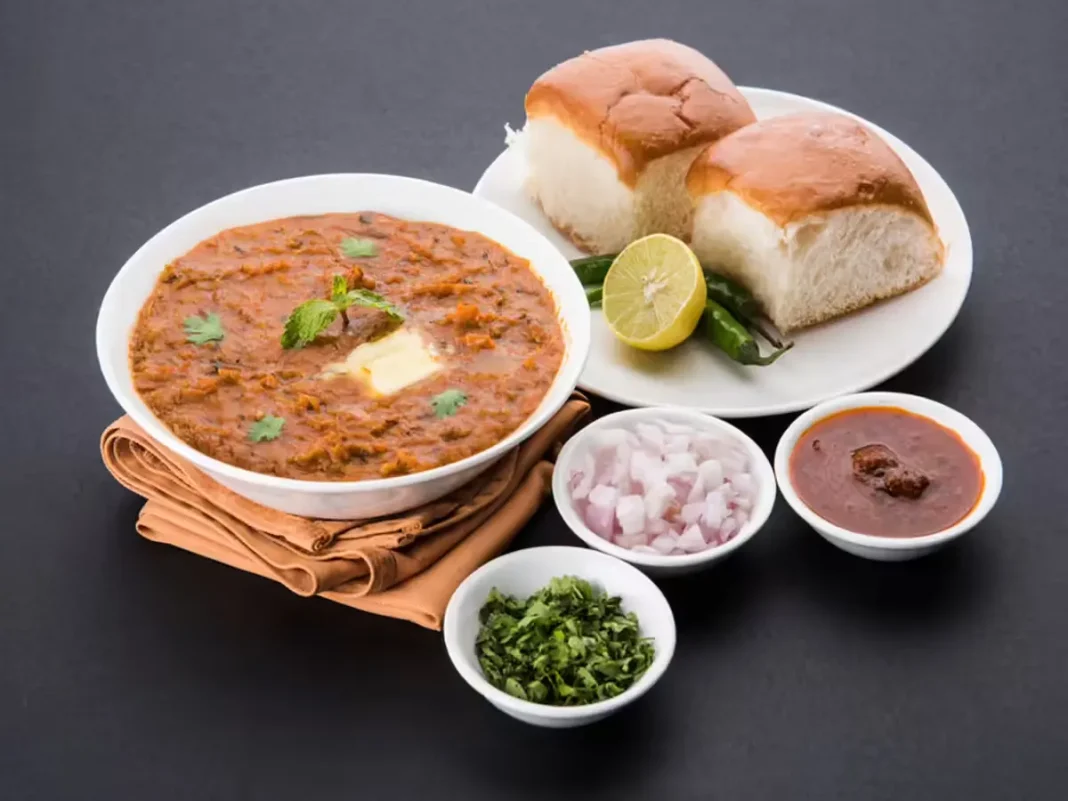
The charm of street-style pav bhaji lies in its balance of creamy vegetables, aromatic spices, tangy lemon, and buttery pav, making it both comforting and satisfying.
Pav Bhaji Ingredients
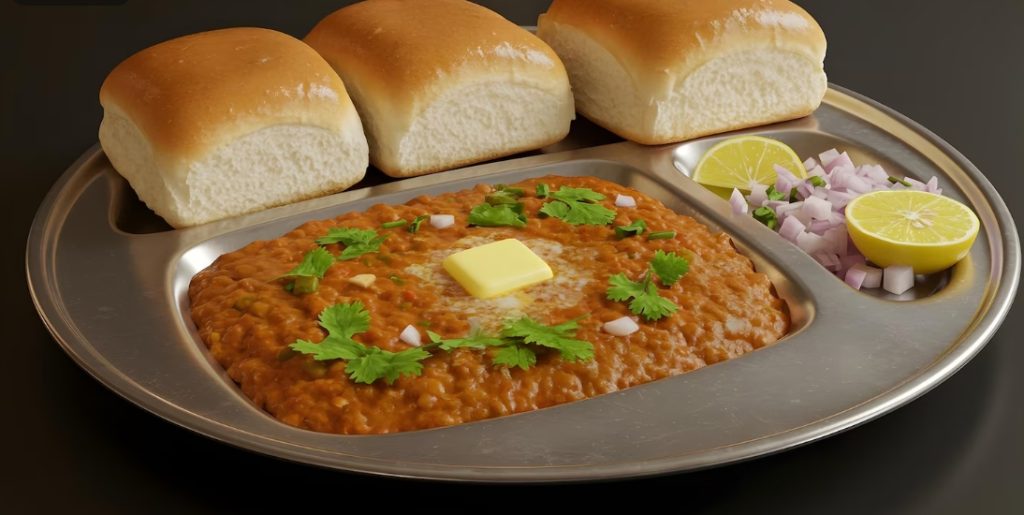
Making pav bhaji at home is simple, and using fresh ingredients ensures maximum flavour. Here’s what you’ll need for 4 servings:
Vegetables & Core Ingredients
- Potatoes – 3 medium, peeled and chopped
- Cauliflower – 1 small head, cut into florets
- Green peas – ½ cup (fresh or frozen)
- Carrots – 2 medium, chopped
- Bell peppers – 1 medium, chopped
- Onions – 2 medium, finely chopped
- Tomatoes – 4 medium, chopped
- Ginger-garlic paste – 1½ tablespoons
Masalas & Seasonings
- Pav bhaji masala – 2 tablespoons
- Red chilli powder – 1 teaspoon (adjust to taste)
- Turmeric powder – ½ teaspoon
- Salt – 1½ teaspoons, or to taste
- Lemon juice – 1 tablespoon
- Fresh coriander – 2 tablespoons, chopped
For Serving
- Butter – 4–5 tablespoons
- Soft pav (bread rolls) – 8 rolls
- Optional toppings – chopped onions, extra butter, lemon wedges
Using these ingredients, you can recreate the Mumbai pav bhaji recipe at home, capturing the same richness, spice, and street-style texture.
Step-by-Step Pav Bhaji Recipe
Making pav bhaji at home is simple if you follow these steps carefully. With a little attention to texture, spice, and butter, you can create a curry that tastes just like the Mumbai street-style version.
1. Prep the Vegetables
Wash and chop all the vegetables into even-sized pieces. Boil the potatoes, cauliflower, carrots, and peas until they are tender. Soft vegetables make mashing easier and create a creamy base for the bhaji. You can also steam them for a healthier version.
2. Cook the Base
Heat a generous tablespoon of butter in a wide pan or skillet. Add finely chopped onions and sauté until golden brown. Stir in ginger-garlic paste and cook for a minute until aromatic. Then, add chopped tomatoes and cook until they turn soft and mushy. This forms the flavorful base that will hold the vegetables and spices together.
3. Mash the Vegetables
Add the boiled vegetables to the pan. Using a potato masher, gently mash them while stirring continuously. Aim for a semi-smooth consistency with a few small chunks remaining. This gives the bhaji the authentic street-style texture where each bite has a little vegetable crunch.
4. Spice It Up
Sprinkle in pav bhaji masala, red chilli powder, turmeric, and salt. Mix everything thoroughly and let it simmer on low heat for 5–7 minutes. Adjust the consistency with a little water if needed, and keep tasting to balance spice, salt, and tang.
5. Toast the Pav
Slice the pav horizontally without cutting all the way through. Heat butter on a flat griddle or pan and toast the pav until golden brown. The crispy, buttery pav is what makes each bite of bhaji so satisfying.
6. Serve Hot
Serve the bhaji hot in a bowl, topped with a small dollop of butter. Place the toasted pav alongside, garnished with chopped onions, coriander, and a wedge of lemon. For the full Mumbai street-style experience, let the butter melt into the bhaji just before eating.
Following these steps ensures a flavorful, creamy, and indulgent pav bhaji that tastes like it came straight from a Mumbai food stall. Paying attention to spice balance, butter, and texture is key to achieving the perfect result.
Mumbai Pav Bhaji Recipe Tips
To make your pav bhaji taste just like the street-style version:
- Fresh Pav Bhaji Masala – Always use fresh masala for authentic flavor. Toast lightly for extra aroma.
- Generous Butter – Adds richness and enhances spice flavors.
- Balance Sweetness & Spice – Tomatoes and peas balance the chili’s heat. Lemon juice brightens the flavor.
- Coarse Mashing – Retain small vegetable chunks for texture.
- Low-Heat Simmer – Helps spices and vegetables meld into a richer, fuller flavor.
Variations You Can Try
- Street-Style Mumbai Pav Bhaji – Extra butter, coarser mash, smoky flavor from griddle cooking.
- Instant Pav Bhaji – Use pre-boiled or frozen vegetables for a quick version in under 20 minutes.
- Jain Pav Bhaji – No onion or garlic; sauté ginger and tomatoes with mild spices.
- Cheese Pav Bhaji – Top with grated cheese for creamy indulgence.
- Vegan Pav Bhaji – Use plant-based butter and dairy-free pav.
These variations make pav bhaji adaptable, ensuring everyone can enjoy it while keeping authentic flavors intact.
Serving Suggestions
Serve street-style pav bhaji hot with:
- Toasted pav with butter
- Dollop of butter on bhaji
- Chopped onions, coriander, and lemon wedges
- Optional sides: pickles or chilled masala chai
Attention to garnishing and serving elevates homemade pav bhaji to a true Mumbai street-food experience.
Nutritional Insights
Pav bhaji is rich in vegetables, providing fiber, vitamins, and minerals. Potatoes, cauliflower, peas, carrots, and bell peppers make it wholesome. Tomatoes and onions offer antioxidants, while butter adds richness.
A serving with buttered pav contains roughly 350–450 calories. Use whole wheat pav or less butter for a lighter version. Despite being indulgent, it remains a balanced meal because of its high vegetable content.
Wrapping Up
This Pav bhaji recipe brings the iconic taste of Mumbai streets right to your kitchen. With fresh vegetables, buttery richness, and aromatic pav bhaji masala, it’s a dish that’s indulgent, wholesome, and satisfying.
Whether you stick to the classic Mumbai pav bhaji recipe, try a quick version, or experiment with variations, the key is balancing spices, butter, and texture. Serve hot, enjoy with toasted pav, and experience the flavours of Mumbai street food at home.
Frequently Asked Questions (FAQs)
Q1. Can I make pav bhaji without butter?
Yes, you can use oil or plant-based butter, but adding a small dollop of butter at the end keeps it creamy and flavorful.
Q2. How long can I store leftover bhaji?
Store bhaji in an airtight container in the fridge for 2–3 days and reheat with a little water. Always toast the pav fresh before serving.
Q3. Can I make a quick or instant pav bhaji at home?
Yes, using pre-boiled or frozen vegetables allows you to make a flavorful, easy pav bhaji recipe in under 20 minutes.
Q4. How can I make pav bhaji vegan or Jain-friendly?
Replace butter with plant-based alternatives for vegan, or skip onion and garlic for a Jain version, while keeping the taste authentic.
Q5. My bhaji is too thick or too watery. How do I fix it?
Add a little hot water if too thick, or simmer uncovered if too watery. Coarse mashing helps maintain street-style texture.
Q6. Can I make pav bhaji ahead of time for parties?
Yes, prepare bhaji in advance and keep it warm on low heat. Toast the pav just before serving for the best flavour.