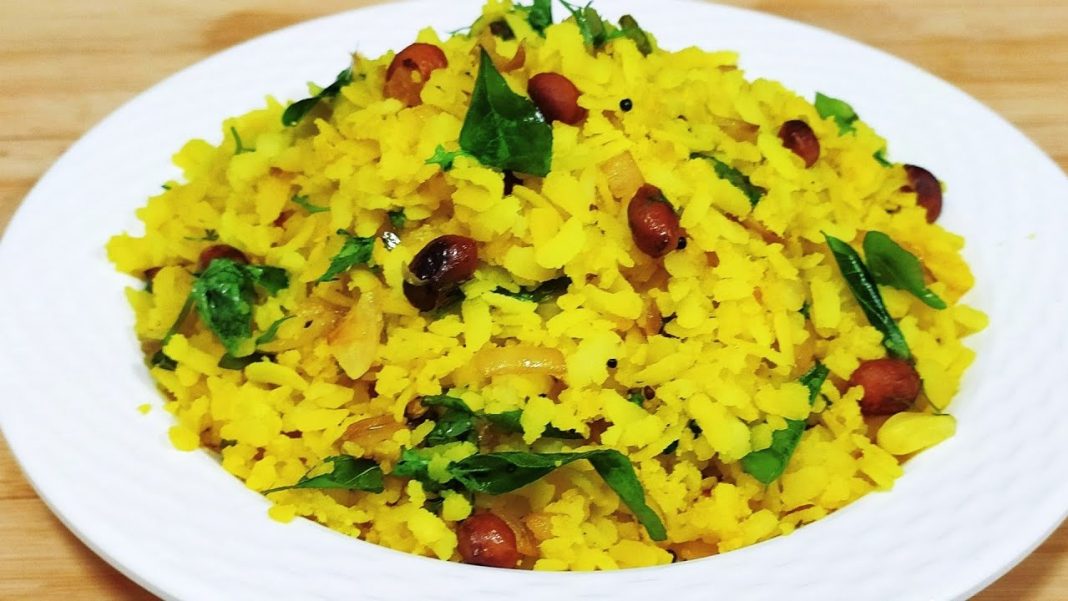

Poha is a soft, lightly spiced, and nutritious breakfast made from flattened rice. Loved across India, this versatile dish can be served plain, with vegetables, or with protein-rich additions like paneer or sprouts. The beauty of poha lies in its simplicity it cooks quickly, is easy to digest, and can be customised to suit your taste and regional preferences.
This Poha Recipe shows you how to prepare a fluffy, flavorful breakfast that combines texture, aroma, and freshness in every bite. From the traditional Maharashtrian poha to unique variations like Indori and Bengali-style poha, this guide covers everything you need to enjoy this timeless dish at home.
Ingredients for Classic Poha Recipe With Quantities
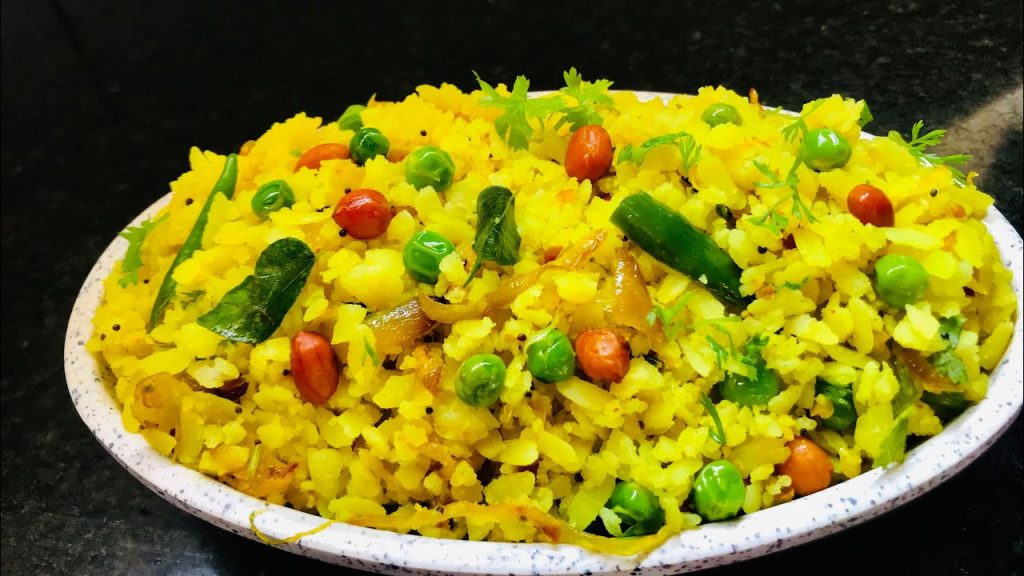
- Flattened rice (poha): 1 cup (medium or thin flakes)
- Onion: 1 medium, finely chopped
- Green chillies: 1–2, chopped
- Mustard seeds: 1 tsp
- Curry leaves: 8–10
- Peanuts: 2 tbsp, roasted
- Turmeric powder: ¼ tsp
- Salt: ½ tsp (adjust to taste)
- Lemon juice: 1–2 tsp
- Oil: 1½ tbsp
- Green peas: 2–3 tbsp
- Carrot: ½ small, finely chopped
- Bell pepper (capsicum): ¼ small, chopped
- Paneer cubes: 2–3 tbsp
- Fresh coriander leaves: 1 tbsp
- Grated coconut: 1 tsp
- Sev: 1–2 tsp
These quantities make 1–2 servings. You can adjust for more people.
Step-by-Step Poha Recipe
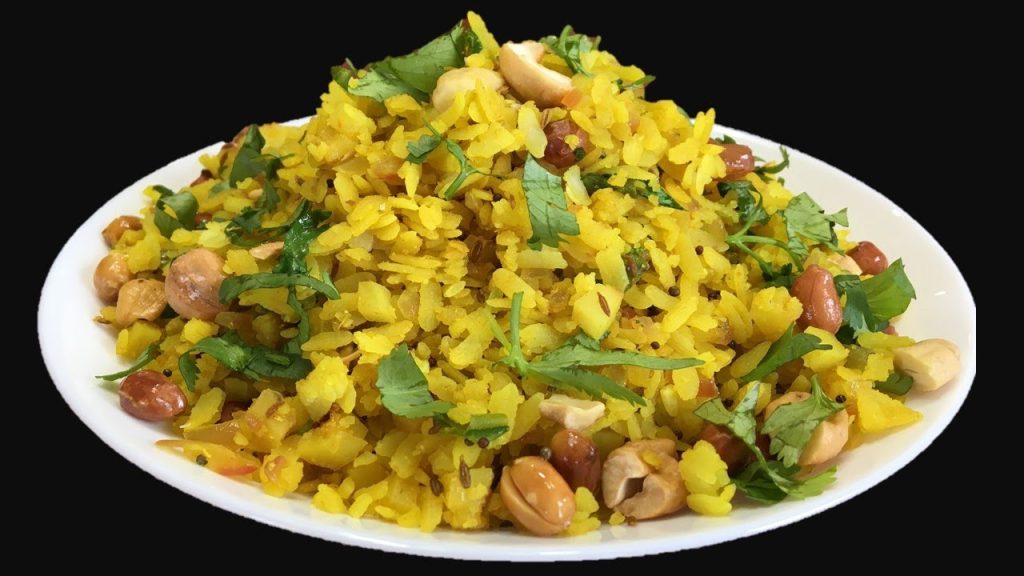
Follow this simple step-by-step poha recipe to make a soft, fluffy, and flavorful breakfast. Each step is easy to follow, ensuring perfect poha every time.
1. Soften the Flattened Rice
Rinse 1 cup of poha in a colander under running water for 5–10 seconds. Drain completely and let it sit for 2–3 minutes to soften without turning mushy.
2. Prepare the Tempering
Heat 1½ tbsp oil in a pan. Add 1 tsp mustard seeds and let them pop. Then add 8–10 curry leaves and 1–2 chopped green chillies. Sauté for a minute until fragrant. Add the chopped onion and cook until translucent.
3. Add Vegetables and Peanuts
Add vegetables like peas, carrot, or bell pepper, and sauté for 2–3 minutes. Add 2 tbsp roasted peanuts. Sprinkle ¼ tsp turmeric and mix gently.
4. Combine Poha With Tempering
Add the softened poha to the pan. Season with ½ tsp salt. Fold gently so the poha remains fluffy. Cook for 2–3 minutes until heated through.
5. Finish and Serve
Turn off heat. Drizzle 1–2 tsp lemon juice and garnish with coriander leaves, grated coconut, or sev. Serve warm.
Different Types of Poha Recipes
Poha is one of the most versatile Indian breakfasts, loved for its soft texture, subtle spices, and ability to be customized according to taste and occasion. Each variation offers a unique flavor, aroma, and texture. Here’s a detailed look at the most popular types of poha and how they stand out:
1. Maharashtrian Poha
The classic Maharashtrian poha is light, fluffy, and aromatic. It is made by sautéing onions, green chillies, and curry leaves in oil, then tossing in flattened rice and turmeric for color. Roasted peanuts are added to give a crunchy bite, while a squeeze of lemon juice at the end brings a refreshing tang. This simple yet flavorful version is perfect for a quick weekday breakfast.
2. Indori Poha
Indori poha, famous in the streets of Indore, is a sweet, tangy, and crunchy breakfast. After cooking the poha with basic spices, it’s topped generously with sev and pomegranate seeds. A pinch of sugar is added to balance the mild spices and enhance the flavors. The result is a multi-textured dish with sweet, savory, and tangy notes that makes it irresistible.
3. Bengali Poha
Bengali-style poha transforms flattened rice into a sweet and festive breakfast. Grated coconut and jaggery are mixed with softened poha, giving it a naturally sweet flavor and a soft, comforting texture. Cardamom powder is often added for a warm, aromatic touch. This version is especially popular in winter mornings or during festivals, offering a comforting and slightly indulgent start to the day.
4. South Indian Style Poha
South Indian poha is distinguished by its aromatic use of coconut oil and curry leaves. Mustard seeds, green chillies, and curry leaves are sautéed in coconut oil, creating a fragrant base. Vegetables are lightly cooked to retain their crunch, and a sprinkle of grated coconut on top adds freshness. This version is mildly spiced and slightly nutty, thanks to the coconut oil.
5. Aloo Poha
Aloo poha is a hearty, filling version that combines flattened rice with soft cubes of boiled or lightly fried potato. Onions, green chillies, and turmeric add flavor, while the potatoes make it more substantial — perfect for colder mornings or when you need a more satisfying breakfast. The subtle spices complement the creamy texture of the potatoes, making each bite comforting and wholesome.
6. Paneer or Corn Poha
For a protein-packed breakfast, paneer or sweet corn can be added to poha. Paneer cubes add creaminess, while sweet corn provides bursts of natural sweetness and juiciness. This variation is especially suitable for adults or teenagers who need extra energy in the morning. Both options enhance the dish’s texture, making poha more filling and nutritious.
7. Tomato Poha
Tomato poha is a tangy and juicy variation. Chopped tomatoes are added to the sautéed onions, chillies, and spices, cooking just long enough to soften without making the poha watery. The tomatoes lend a subtle acidity that brightens the flavors, creating a refreshing and slightly tangy breakfast option.
Health Benefits of Poha
Poha is not only delicious but also a highly nutritious breakfast option that suits people of all ages. Here’s why it’s a healthy choice:
- Easy to Digest: Poha is light on the stomach, making it ideal for early mornings or after a light meal. Its soft texture ensures effortless digestion.
- Energy Boosting: Rich in carbohydrates, poha provides instant energy to kickstart your day and keep you active.
- High in Fiber: Adding vegetables like peas, carrots, or bell peppers increases the fiber content, promoting healthy digestion and keeping you full for longer.
- Protein-Rich Options: Incorporating peanuts, paneer, or sprouts enhances protein content, supporting muscle health and satiety.
- Gluten-Free: Naturally gluten-free, poha is safe for anyone with gluten sensitivities or celiac conditions.
- Low-Calorie: When prepared with minimal oil, poha is a light, low-fat breakfast that won’t weigh you down.
Serving Suggestions for Poha
Poha can be enjoyed in various ways, depending on your taste preferences or regional style:
- With Yogurt: Pair poha with plain yogurt for a creamy, protein-rich combination that balances the spices.
- Add Crunch & Color: Top with sev, roasted peanuts, or pomegranate seeds to add texture and a burst of flavor.
- South Indian Style: Serve with coconut chutney or coriander-mint chutney for a refreshing twist.
- Street-Style Indori Poha: Enjoy with a side of hot jalebi for an authentic Indore street breakfast experience.
- Extra Freshness: A few drops of lemon juice or a sprinkle of chopped coriander can brighten the flavors instantly.
Tips for Making Perfect Poha
Even though poha is quick to prepare, following a few simple tips can elevate your dish:
- Rinse and Drain Carefully: Wash poha gently and drain thoroughly. Over-soaking can make it mushy, while under-soaking may leave it hard.
- Sauté Vegetables Lightly: Cook vegetables just enough to retain their crunch and natural colour, which adds both flavour and appeal.
- Fold Gently: Mix poha carefully to maintain fluffy, separate grains. Avoid stirring too vigorously to prevent breakage.
- Finish with Lemon Juice: Add lemon juice at the end to enhance freshness and balance the spices.
- Use Fresh Aromatics: Fresh curry leaves and mustard seeds make a noticeable difference in aroma and taste.
- Add Texture and Flavour: Roasted peanuts, sev, or grated coconut can elevate poha from simple to restaurant-style.
Conclusion
Poha is a soft, flavorful, and highly versatile Indian breakfast that is both nutritious and easy to prepare. From the classic Maharashtrian poha to regional variations like Indori, Bengali, and South Indian styles, it can be customized with vegetables, paneer, or sprouts to suit every taste. Light, filling, and gentle on the stomach, poha provides energy, fiber, and protein, making it ideal for mornings or a quick meal. With the right spices, garnishes, and simple cooking techniques, this Poha Recipe transforms a humble ingredient into a delicious, satisfying, and wholesome breakfast loved across India.
Frequently Asked Questions (FAQs)
Q1. Can poha be made vegan?
Yes! Simply skip paneer or replace it with tofu. Use coconut oil or any plant-based oil for cooking to make the dish fully vegan.
Q2. How long does poha stay fresh?
Poha is best eaten fresh. You can store leftovers in an airtight container for up to 24 hours in the refrigerator. Reheat gently with a splash of water before serving.
Q3. Which type of poha is best for cooking?
Medium or thin flattened rice works best. Thick flakes may need longer soaking and cooking, while very thin flakes can become mushy easily.
Q4. Can I add vegetables to poha?
Absolutely! Vegetables like peas, carrots, bell peppers, and corn not only add colour and crunch but also increase the nutritional value, making it more filling.
Q5. Is poha healthy for weight management?
Yes. When cooked with minimal oil and plenty of vegetables, poha is low in calories, high in fiber, and provides sustained energy, making it a healthy breakfast choice.